

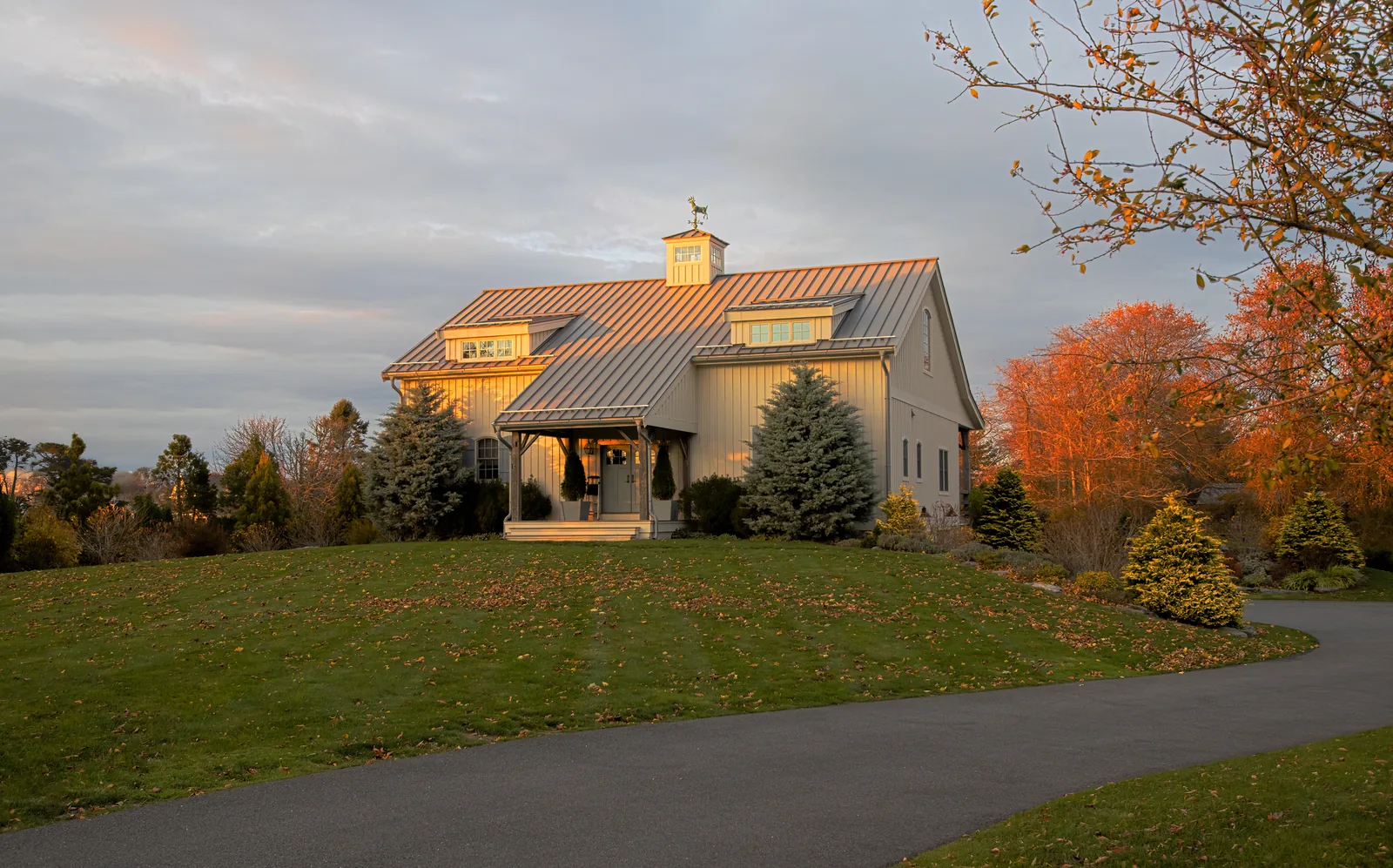
Before Anyone Mobilizes
Mobilization should not happen until the site, scope and schedule have been named in a conversation you can point to later. That means a walk of your actual lot in Portsmouth, not a drive-by from the street. Access, drainage, setback lines and where trucks can stage belong in that first visit.
On Aquidneck Island, access is rarely abstract. A shared driveway in Common Fence Point, overhead lines on a wooded lot off East Main, or summer traffic on a lane near Island Park all affect how materials arrive and how long your neighbors live with the noise. A contractor who knows Portsmouth will name those constraints before anyone books an excavator.
Neighbor courtesy is part of pre-mobilization planning, not a nice extra. Stone walls, view corridors and parking on tight streets should be discussed with you before demo day. You should know when deliveries are expected, how dust and runoff will be handled, and who talks to the neighbor if a truck blocks a shared entry.
Seasonal timing belongs in the same conversation. Frozen ground, nor'easter windows and inspection slowdowns around the holidays are normal here, not excuses. Before mobilization, you should hear which months are realistic for opening the envelope, pouring near the Sakonnet, or closing exterior work before winter.
Finally, confirm who pulls permits with the Portsmouth building department, whether engineering or survey work is complete, and whether you will live in the house during the job. Those answers shape protection, temporary kitchen plans and how aggressively the crew can sequence interior work.
Paperwork That Actually Protects You
A written scope is the contract translated into plain English. It should list what trades are included, what finishes are assumed, and what is explicitly excluded. If the proposal says "kitchen renovation" but never names cabinet removal, rough plumbing or inspection fees, you do not yet have a scope you can enforce.
Allowances need the same clarity. An allowance is not a placeholder number. It is a budget bucket tied to a finish level: mid-range tile, standard-grade windows, builder-grade fixtures. Ask what happens when your selections exceed the allowance and how soon you must decide to protect lead times. Vague allowance language is how $8,000 tile becomes a surprise change order in month three.
Change orders should have a defined path before work starts: who initiates them, how pricing is presented and how long you have to approve before the crew moves on. Emergency repairs behind an opened wall are different from a layout shift you requested after cabinets were ordered. Both can be legitimate. Both should be documented.
Registration with the Rhode Island Contractors' Registration and Licensing Board, current insurance certificates naming you or your lender as additional insured when required, and a payment schedule tied to measurable progress are baseline paperwork, not optional extras. Deposits that exceed the value of work completed, or final payments due before punch list is handled, are signals to pause and ask questions.
Read the warranty and closeout language while you still have leverage. Who do you call if a window seal fails after the first winter storm? What manufacturer warranties require registration? Paperwork protects you when the job is loud and messy, and again when the trucks are gone.
On-Site Habits That Keep a Portsmouth Job Moving
Ask who is on site daily and who owns decisions when something unexpected appears. The owner of a small firm may visit weekly while a superintendent runs the job. That can work well if roles are clear. What fails is when no one with authority answers the phone on a Friday afternoon and a wet wall waits three days.
One accountable point of contact should be named in writing. Weekly check-ins, photo updates when the site changes, and a shared list of open decisions keep small questions from becoming expensive drift. Silence is not efficiency on a long Portsmouth renovation.
Decision habits matter on Aquidneck timelines. Selections that drive lead times, windows, cabinets, exterior doors rated for driving rain, should be locked against a calendar the superintendent can see. Last-minute changes are sometimes necessary. They should be the exception, not the default way the job runs.
Weather decisions should follow a visible plan. When a nor'easter stalls siding, you should hear what the crew will do instead that week and how the schedule shifts. A contractor who works New England seasons plans flex into the calendar instead of treating every rain day like a personal failure.
On-site housekeeping protects your house and your neighbors. Labeled deliveries, clean staging on a narrow lot, dust barriers when you are living at home, and end-of-day cleanup on a shared street are operational habits that separate a professional crew from one that treats your property like a temporary warehouse. In Portsmouth, where lots are close and seasons are short, those habits keep inspections moving and relationships intact.
Continue on the Portsmouth Hub
If you are past the dreaming stage and into real questions about scope, crew habits and how a Portsmouth project stays on track through East Bay weather, it is worth a direct conversation with a team that works from town every week.
PJR Construction is based at 448 Park Avenue in Portsmouth. We write scope in plain language, name who is accountable on site, and plan access and neighbor courtesy before mobilization.
Our Portsmouth RI home builder hub gathers local project context, the kinds of residential work we take on in town and the simplest path to a project inquiry. When the checklist items feel aligned with how you want the job run, send your details and we will respond within three business days.